
Read the Btu/h at a stated temperature
Both systems below are rated for 12,000 Btu/h of cooling. At 5°F outdoors, ENERGY STAR lists 11,500 Btu/h of heat for the ACiQ pair and 10,100 Btu/h for the Mitsubishi GX model family. The ACiQ record names both units exactly. The Mitsubishi record uses model-number patterns that cover the GX12 shown here. You can check those patterns in the GX12 equipment record.
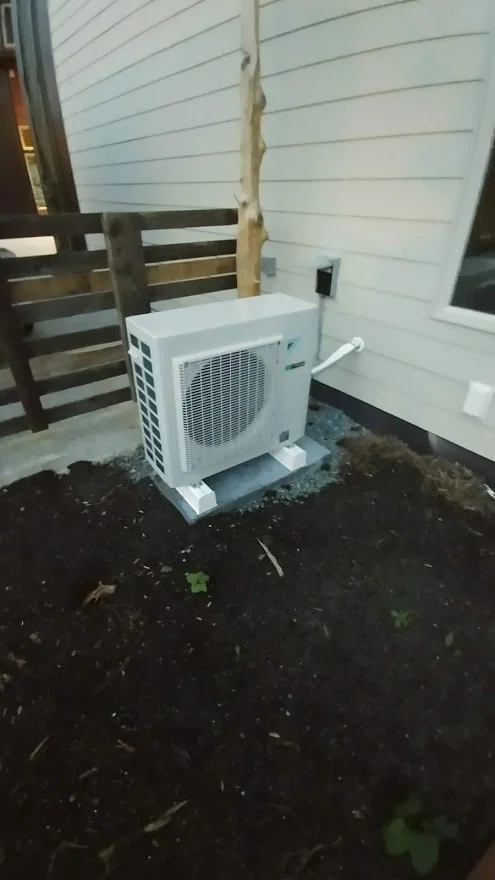
Mitsubishi Electric GX Premier
10,100 ÷ 14,400 = 70.1% retained
ACiQ Platinum Extreme Heat
ACIQ-12W-HH-MD / ACIQ-12ZPL-HP230C
11,500 ÷ 12,000 = 95.8% retained
Use the percentage to answer a second question
Capacity retention tells you how much of each system’s own 47°F heating rating it keeps at 5°F. Model families may have different 47°F ratings even when their nominal cooling sizes match. The Btu/h figure is the one to compare with the room’s heating load at the same temperature.
Ask for the number at your winter design temperature
If your local winter design temperature is below 5°F, ask for a manufacturer’s performance table covering that temperature and a room-by-room heat loss calculation. An operating limit of −13°F, for example, tells you the compressor can run that cold. To decide whether you’ll need backup heat, you still need its output there in Btu/h.